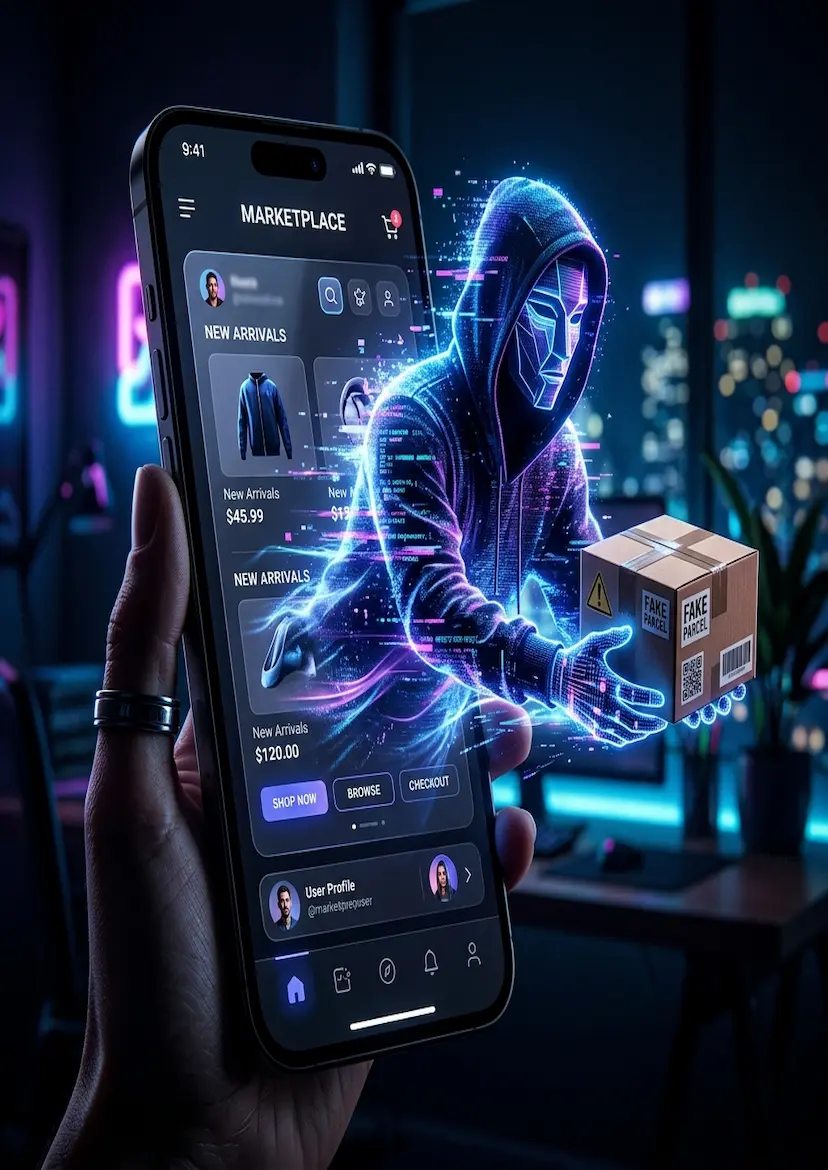
E-Commerce Fraud: The Anatomy of a False Bargain
The Most Common Trap in Southeast Asia
When we talk about cybercrime, we often imagine sophisticated hackers breaking into bank vaults. The truth is much more mundane. The most frequently reported scam in our region does not involve high-tech hacking. It involves a simple, irresistible deal on the internet.
According to the Singapore Police Force (SPF) 2025 Annual Scam Brief, e-commerce scams remain the most common type of scam by sheer volume, making up thousands of cases annually. The story is identical across the Causeway. The Royal Malaysia Police (PDRM) consistently ranks e-commerce fraud as one of the top threats facing everyday consumers on platforms like Facebook Marketplace, Carousell, and Mudah.
It is time to dissect exactly how the "False Bargain" works.
Educate: How the Trap is Set
Scammers are opportunists. They watch trends closely and prey on scarcity. If a new iPhone launches, a highly anticipated concert sells out, or a specific collectible surges in popularity, the syndicates flood local marketplaces with fake listings. In 2025, the SPF specifically noted that items like Pokemon trading cards and electronics were major bait categories.
The operation follows a precise script. The scammer creates a listing with stolen photos at a price that is significantly lower than the market rate. When you contact them, they are friendly, responsive, and seemingly legitimate.
Then comes the pivot.
They will claim the platform's messaging system is broken or that they prefer to deal directly. They will ask you to move the conversation to WhatsApp or Telegram. Once you are off the official platform, you have lost all buyer protection. They will demand a direct PayNow or DuitNow transfer, promising to ship the item immediately. Once the money is sent, the seller vanishes.

Identify: The Red Flags of a Phantom Seller
The key to beating an e-commerce scammer is recognizing their behavioral patterns before you transfer any funds. Watch for these absolute deal-breakers:
The "Off-Platform" Push: The moment a seller insists on chatting via WhatsApp or transferring money directly to a personal bank account instead of using the platform's secure payment gateway, walk away.
Refusal of Cash-on-Delivery (COD): Scammers will invent elaborate excuses for why they cannot meet in person or accept COD. They will claim they are out of town, working offshore, or that their items are stuck at customs.
The "Processing Fee" Extortion: Sometimes, victims actually receive a tracking number. A few days later, the scammer claims the parcel is held up by customs or a courier, demanding a sudden "clearance fee." This is a secondary scam designed to squeeze more money from you.
Prevent: Securing Your Digital Cart
You do not have to stop hunting for deals, but you must change how you transact.
Always keep your conversations and your money within the marketplace app. Platforms like Shopee, Lazada, and Carousell (via CarouPay) use escrow systems. They hold your money safely and only release it to the seller after you confirm you have received the item.
Before dealing with any independent seller, run their phone number and bank account through VetoCaller. A quick search can reveal if the community has already flagged them as a phantom seller. For our Malaysian readers, you should also double-check the seller's details against the official CCID SemakMule portal to ensure their account hasn't been associated with previous police reports.
A deal that looks too good to be true is almost always a trap. Protect your wallet, verify the seller, and stay within the safety of the platform.