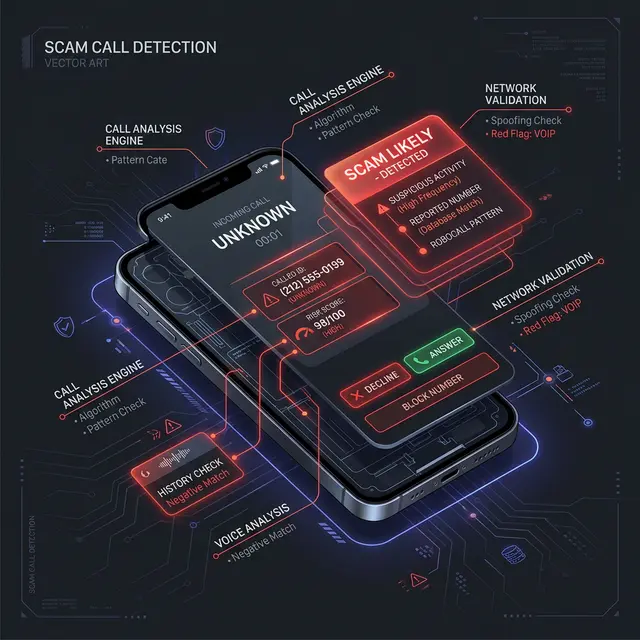
The Anatomy of a Modern Phone Scam
If you still think a phone scam is just a heavily accented voice asking for your credit card number, you are underestimating the modern criminal.
Today’s scam operations are well-funded, highly organized, and technologically advanced. They operate out of massive call centers, use scripts drafted to manipulate human psychology, and utilize software that makes traditional caller ID entirely useless.
Understanding how these scams work is the first step to dismantling them. Here is a breakdown of the modern phone scam, and why you can practically never trust your caller ID.
The Illusion of Local: Caller ID Spoofing
The most dangerous tool in a scammer’s arsenal is Caller ID Spoofing.
Using easily accessible Voice over IP (VoIP) software, a scammer sitting in a different country can make your phone display whatever number they want.
They can make it look like they are calling from your local police department.
They can mimic the official customer service number of your bank.
They can even make it look like a neighbor is calling.
This is why traditional "blocklists" often fail. The scammer isn't actually using that local number; they are just wearing it like a mask. Once that "mask" is blocked, they just generate a new one.
Common Tactics in Southeast Asia
While the numbers change, the psychological tactics remain consistent. Scammers rely on fear, urgency, and obedience to authority.
Here are three primary scams currently plaguing Malaysia and Singapore:
The "Authority" Scam: You receive a call from someone claiming to be from the Police, Customs, or the Tax Department. They claim your identity has been used in a money laundering case or that you have an unpaid warrant. The goal is to force you into transferring your money to a "safe account" to avoid arrest.
The Fake Bank Alert: A person claiming to be bank security calls to warn you of a "suspicious transaction" on your card. To "cancel" it, they just need your OTP (One-Time Password) or your account login details.
The E-Commerce/Courier Trap: You are told a valuable package is stuck at customs and requires a small clearance fee. The link they send you to pay this fee secretly steals your banking credentials.
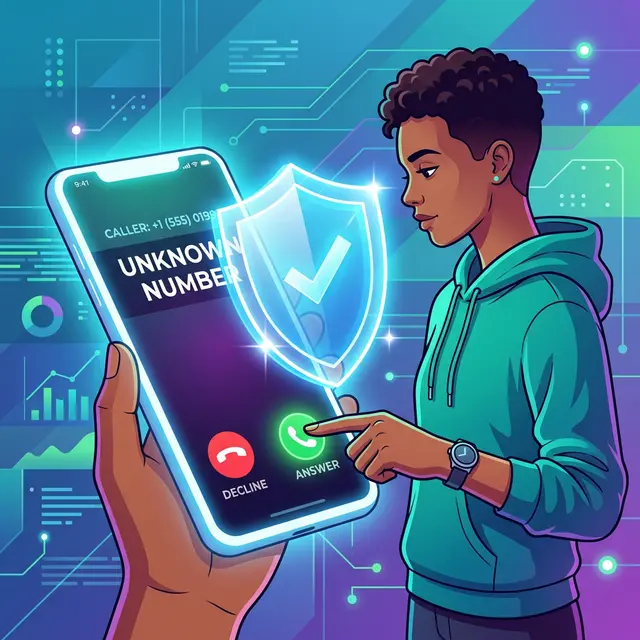
The Defense: Stop, Think, Search
Scammers need you to panic. They need you to act before you have time to think rationally.
Your best defense against any unexpected, urgent phone call is to break their momentum:
Never Give Information: A legitimate bank or government agency will never ask for your password, your OTP, or for you to transfer money to a "safe account" over the phone.
Hang Up Independently: If the caller claims to be your bank, hang up. Do not ask them to verify themselves.
Search VetoCaller: Before you call the official bank number to check, type the number that just called you into VetoCaller.
If it was a scammer spoofing a random number, there is a high probability our community has already flagged it. If it’s a new spoofed number, your report could be the one that stops them from successfully scamming the next person they call.
Stay calm. Stay skeptical. And rely on your community.